Amelia Moretti
ItalyBorn in 1932
Painter
Amelia Moretti
ItalyBorn in 1932
Painter
Biography
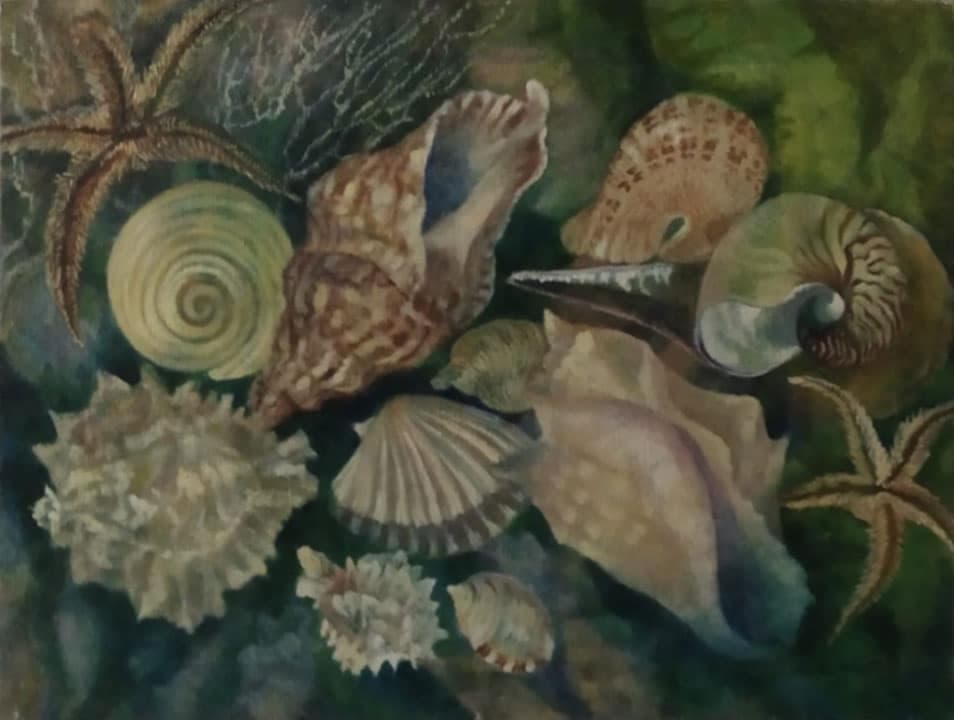
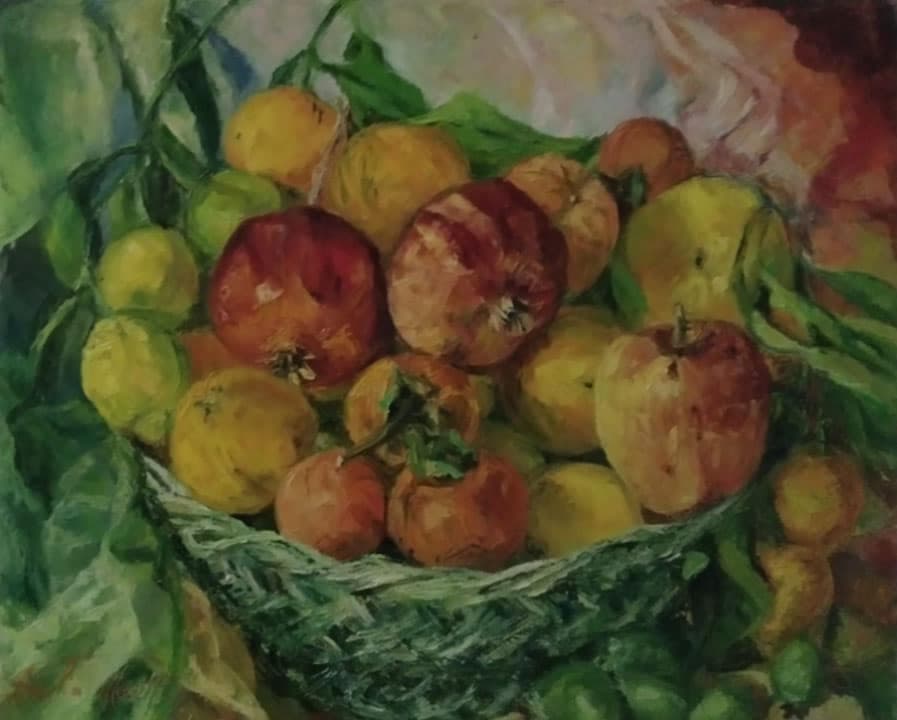
Amelia Moretti was born in Novi di Modena on 27 July 1932 and passed away on 27 November 2021 in Campagnola Emilia (Reggio Emilia). After a brief stay with her family at her grandparents' home in Novellara, the war led the family to move to Turin, where, having obtained her teaching diploma, she attended the Academy of Fine Arts and became a pupil of the man who would become one of the greatest masters of Italian painting of the post-war era: Felice Casorati.
Under Casorati's guidance — who recognised her potential, her artistic sensibility and her need to break free from the constraints of formalism — she learned to express herself fully by following her natural inclinations. She completed her studies at the academy under the guidance of Francesco Menzio, who however granted Amelia less interpretive freedom than Casorati had.
She also attended the school of decoration, where she learned fresco techniques, which she immediately put into practice by restoring the fresco of the Beata Vergine della Fossetta in Novellara. She taught art and drawing with great dedication at secondary schools in Turin until her retirement. She always knew how to pass on her passion for art to her students in its most varied forms: drawing, ceramics, oil painting, and more.
Married in 1963, she had no children, which allowed her to continue working tirelessly in her studio. She always considered her paintings as her children and guarded them jealously until her death, leaving behind a very rich collection of oils, ceramics, sanguine drawings, watercolours and etchings. She held a great many exhibitions in Italy and abroad, but always found it difficult to part with her works, for which she felt an almost obsessive devotion.
Until 1975, her oil painting was done with a brush; then, following health problems related to the use of turpentine, she was forced to switch to palette knife oil painting. Even this difficulty did not deter her; on the contrary, she would go on to create some of her most beautiful and modern works.