Vincenzo Del Duca
Vincenzo Del Duca
Biography
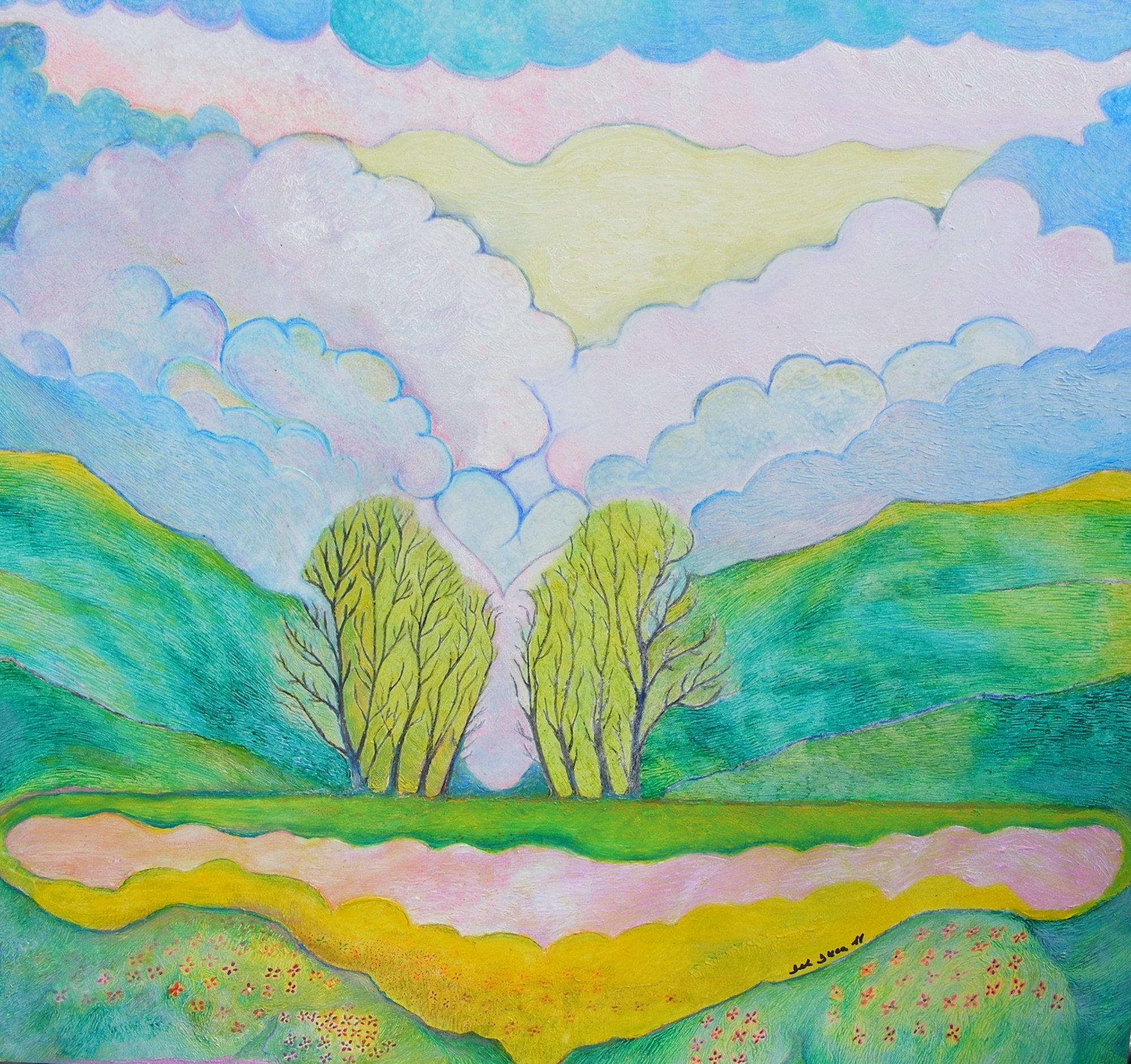
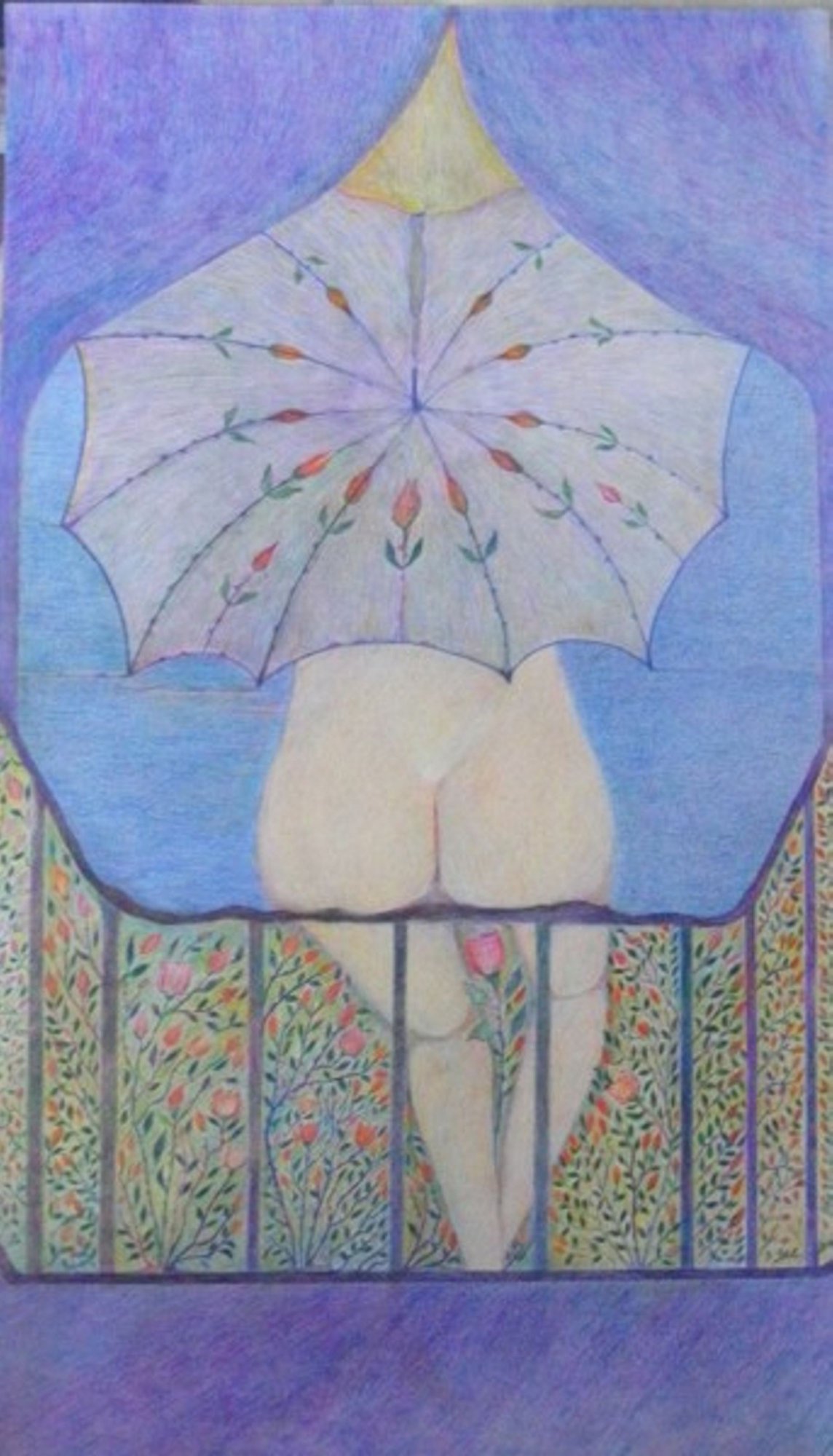
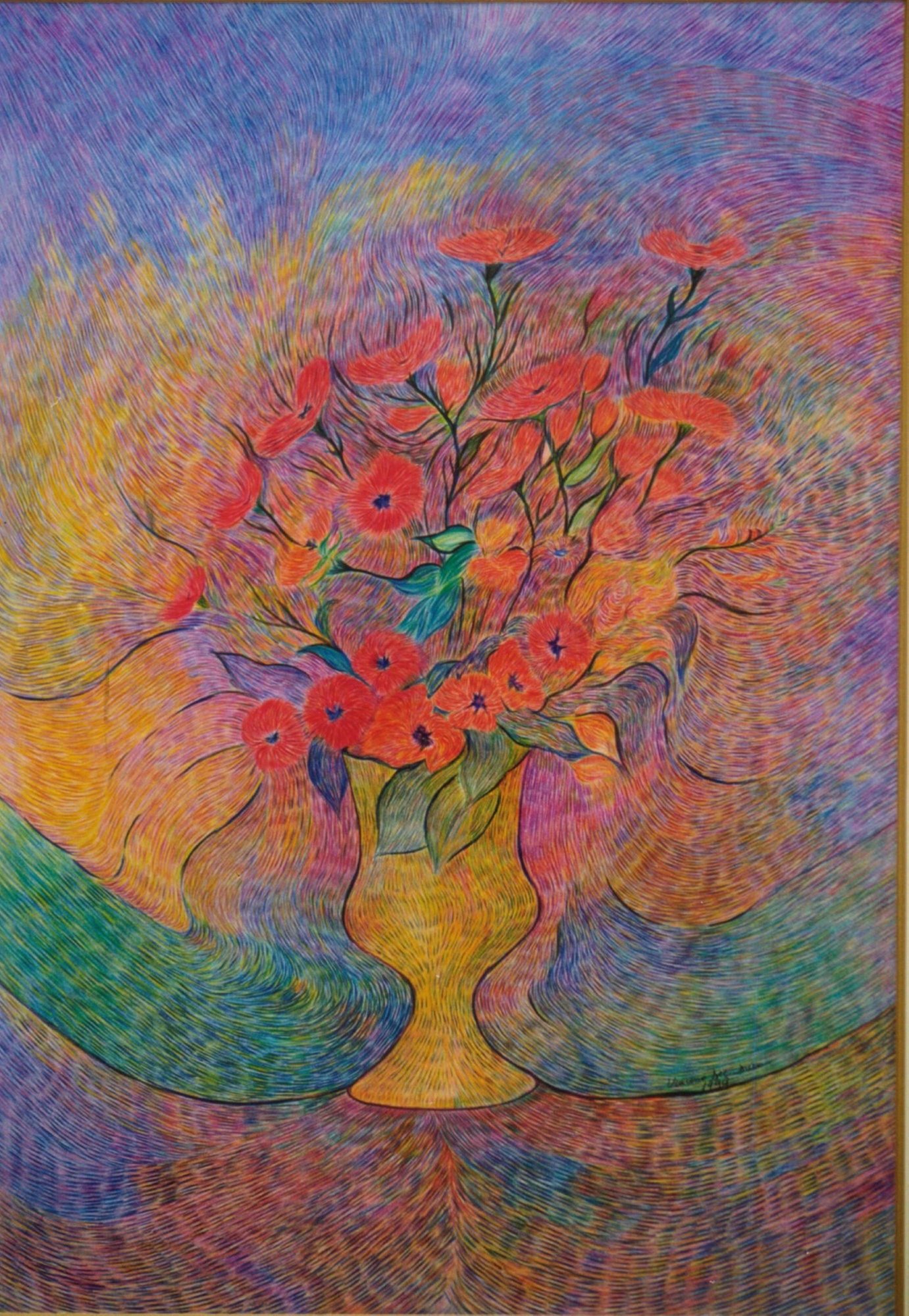
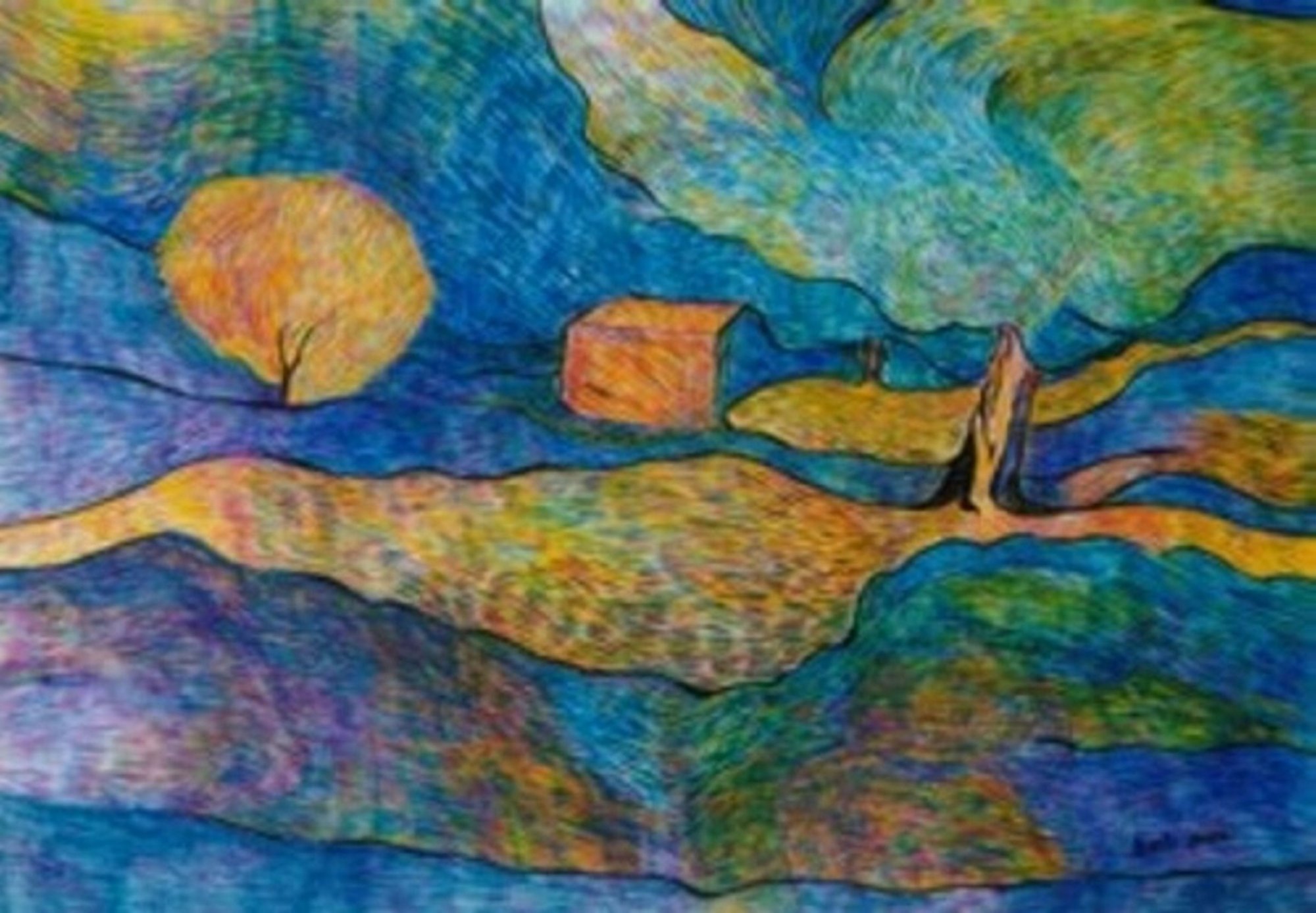
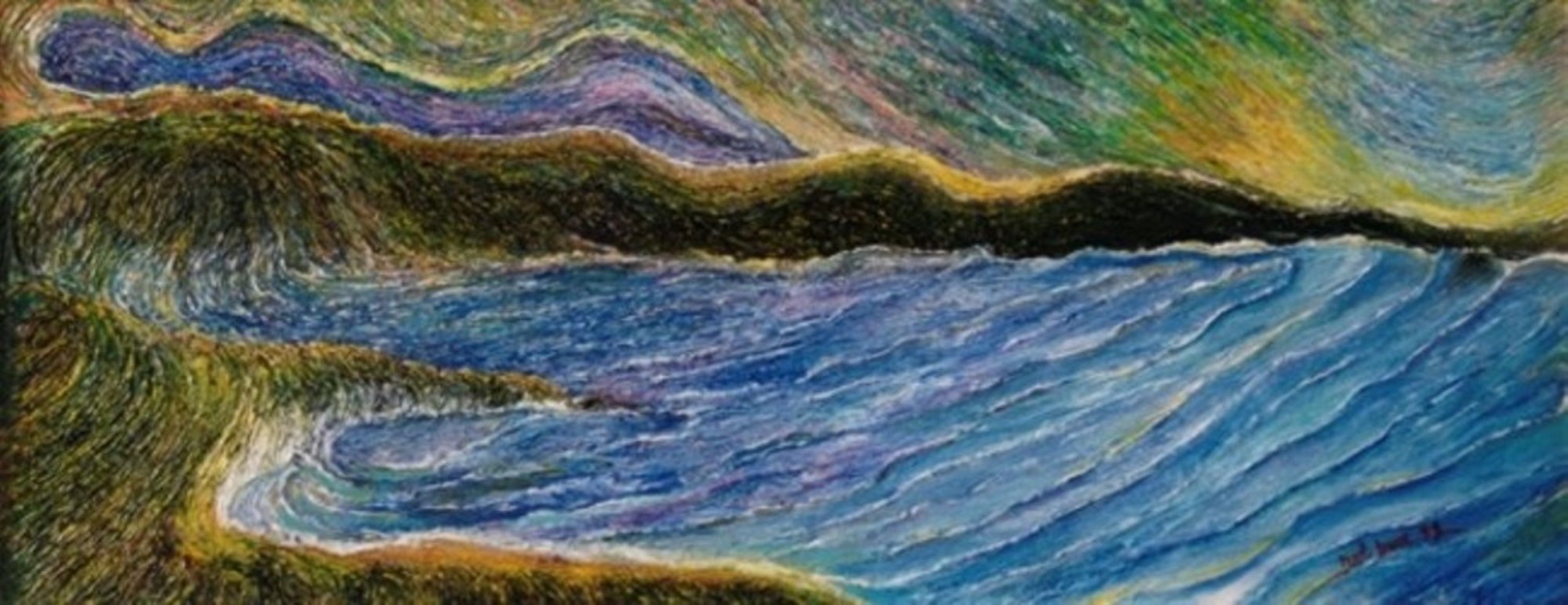
Vincenzo Del Duca is a self-taught artist. No formal schools, no masters other than those he encountered through his personal artistic journey: books, exhibitions, non-academic study carried out directly "on the field" of the canvas or sheet he chose to explore. In his works, planning and chance intertwine simultaneously, and art history (from Impressionism to Futurism, from Expressionism to Fauvism) is a well from which to draw freely, with no reservations other than those preserved and protected by the language of art itself. The artist organises a composition born of inner discipline, capable of duplicating the world, because — to quote Klee — "Art does not reproduce the visible; it makes visible." He surrenders to the flow of the imagination, never trying to dominate it, but rather following it to give life to free outcomes, beyond any expectation. Space does not possess or describe depth: it presents itself as a two-dimensional support where signs arrange themselves according to a natural order that never loses its tension towards expressive desire. Colour and the technique used to apply it play a strong role in this expressiveness, because the material itself becomes an active part of the composition, increasing the intensity of the work. In his images, the artist always seeks to recreate a linear disorientation, capable of evoking not just a simple description of a landscape or object, but a deep inner energy, made up of infinite chromatic intersections obtained by squeezing the paint tube directly onto the canvas and then patiently working it with a more or less pointed tip that mixes the pigment and gives it form. The viewer's gaze then penetrates beneath the thick layer of colour, beneath the false construction of matter, and reveals the essence of an energy that runs through bodies and makes the whole composition dynamic. This is why creating correct perspective and restoring proper volumes does not matter to Del Duca: objects and (rare) figures are rendered as suspended and freed of their bodily weight, but not of their "spiritual" weight. If you look carefully, in the knots of a tree trunk there are eyes; some landscapes seem to change and shift, and suddenly you seem to see a reclining figure, or the profile of an animal. Figures and backgrounds inextricably interpenetrate in a relationship that allows us to trace the paths of the artist's sensitivity. And while the observer's gaze is led beyond the fascination of colour, their mind is guided to reflect on the complexity of the world. In Del Duca's works there is always an implicit message of respect for humanity, drawing inspiration from everyday events (bullying, violence against women, environmental catastrophes), but also triggering more universal reflections such as the ages of man or the meaning of life. The simplicity of the image therefore arises from the need to remain within the rigorous realm of the visible, while also drawing on the ability to evoke new realities within the bed of the imagination. This is why his paintings are never made in a single gesture, but are the result of a long commitment of time, in which, starting from a small part, the entire composition gradually develops, requiring a discipline crossed by instinct and technical skill. Each work carries a story and bases its value on its formal autonomy and its ability to refer to other stories and other narratives. Which is, ultimately, the very strength of art.
The works of Vincenzo Del Duca are always extremely recognisable, because they are intimately connected to the artist and his emotional experience.
Both expert and less expert eyes are thus immediately able to attribute the author, a sign of exceptional stylistic coherence. This has always been a characteristic only true artists possess and one of which Vincenzo Del Duca can boast — to be recognised and appreciated beyond any criticism, even through changes in style and taste, because their art is, above all, authentic.
"His works are present in important private collections in Italy and abroad."
(Marilina Di Cataldo, June 2023)